Expert Tips on Preventing Common Vehicle Collisions


Understanding the Causes of Common Vehicle Collisions
Vehicle collisions can be both frightening and costly. Understanding the common causes is the first step in prevention. Factors like distracted driving, speeding, and adverse weather conditions often play a significant role. By recognizing and addressing these issues, drivers can take proactive steps to reduce their risk on the road.
Distracted driving has become a leading cause of accidents. Whether it's texting, eating, or adjusting the navigation system, any activity that diverts attention from driving increases the likelihood of a collision. Staying focused and minimizing distractions is crucial for safe driving.

Maintaining Safe Following Distances
One of the simplest yet most effective ways to prevent collisions is by maintaining a safe following distance. This allows for ample reaction time in case the vehicle ahead suddenly brakes. A common rule of thumb is the "three-second rule," which suggests a three-second gap between your vehicle and the one in front. This gap should be increased in adverse weather conditions or when driving a larger vehicle.
Tailgating is a dangerous practice that increases the risk of rear-end collisions. It's essential to remain patient and keep a safe distance, even in heavy traffic. By doing so, you allow yourself more time to react and avoid unnecessary accidents.
Proper Use of Mirrors and Signals
Mirrors and signals are vital tools for safe driving, yet they are often underutilized. Regularly checking mirrors helps you stay aware of surrounding traffic, while proper use of signals communicates your intentions to other drivers. This can prevent misunderstandings and reduce the risk of collisions.

Ensure your mirrors are correctly adjusted to minimize blind spots. Make a habit of checking them frequently, especially before changing lanes or merging. Additionally, always use your turn signals well in advance to alert other drivers of your intended maneuvers.
Adapting to Weather Conditions
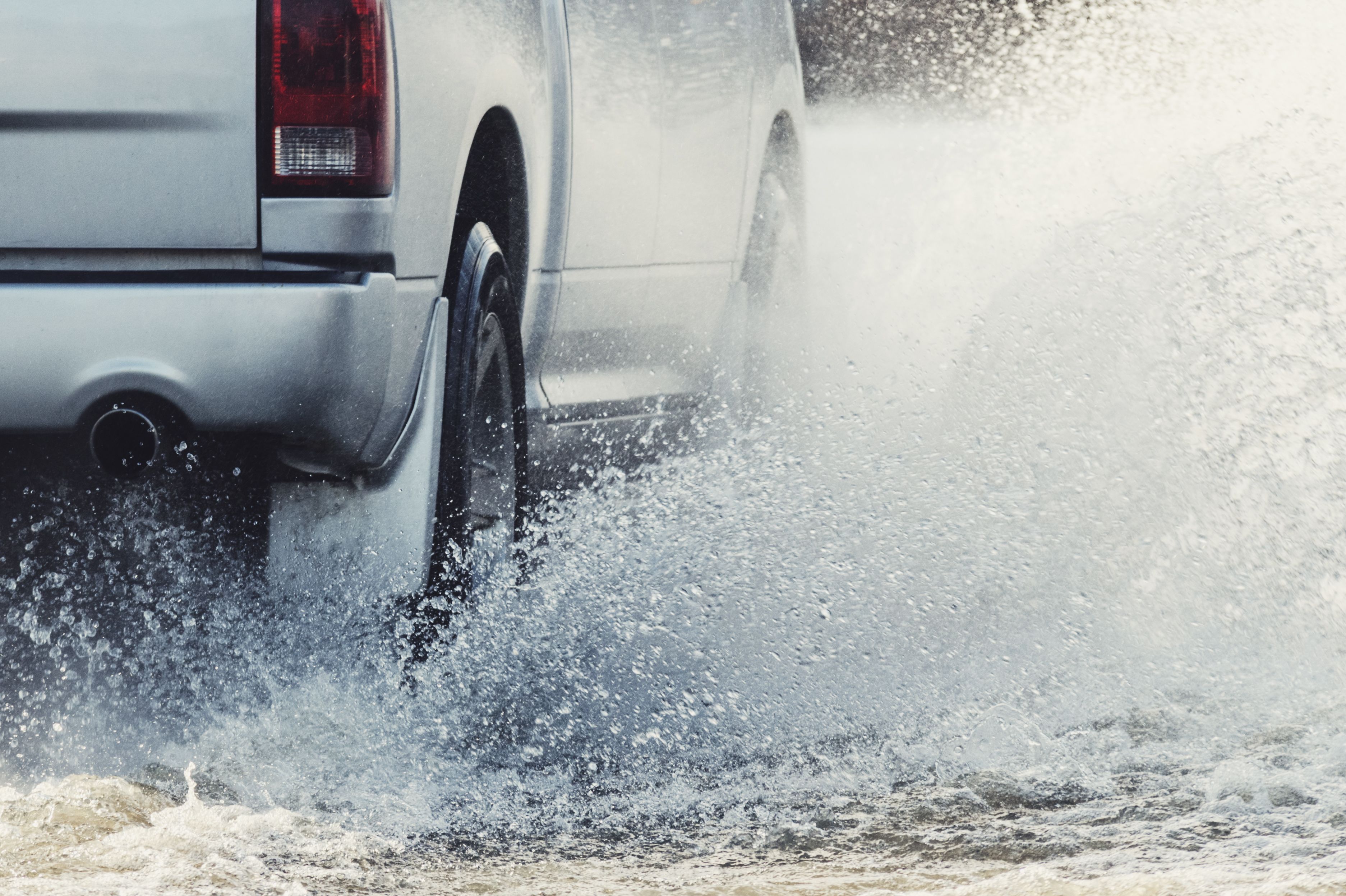
Weather conditions can significantly impact driving safety. Rain, fog, snow, and ice all demand extra caution. Reducing speed, increasing following distances, and using headlights appropriately are essential practices in adverse weather.
During winter months, ensure your vehicle is equipped with suitable tires and that brakes and windshield wipers are in good condition. Preparation and cautious driving can make a substantial difference in your safety.
Regular Vehicle Maintenance
Regular maintenance is crucial for preventing mechanical failures that could lead to collisions. Routine checks on brakes, tires, lights, and fluid levels ensure your vehicle is in optimal condition. Addressing any issues promptly can prevent accidents and prolong the life of your vehicle.
Keeping your vehicle in top shape not only enhances safety but also improves performance and fuel efficiency. Scheduling regular service appointments and conducting basic checks can help you drive with confidence.
Conclusion: Commitment to Safe Driving
Preventing vehicle collisions requires a combination of awareness, skill, and responsibility. By understanding common causes, maintaining safe distances, utilizing mirrors and signals, adapting to weather conditions, and ensuring regular maintenance, drivers can significantly reduce their risk on the road.
Embrace safe driving practices and encourage others to do the same. Together, we can create a safer driving environment for everyone.