Understanding the Collision Repair Process: From Assessment to Completion


Introduction to Collision Repair
Experiencing a vehicle collision can be overwhelming, but understanding the collision repair process can alleviate some of the stress. From the initial assessment to the final touches, each step is crucial to restoring your vehicle to its former glory.
Initial Assessment and Estimation
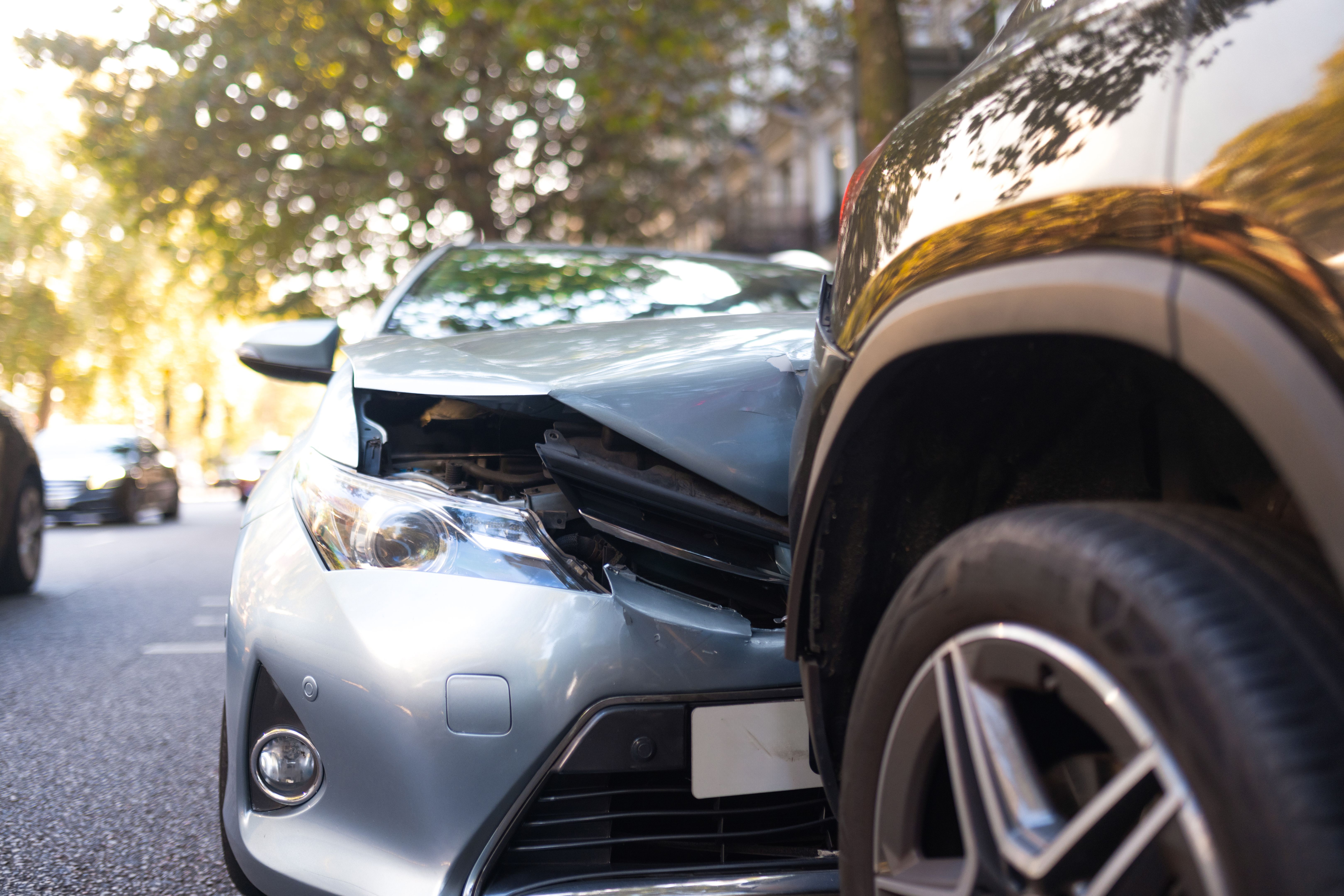
The first step in the collision repair process is the initial assessment. A professional technician will examine the extent of the damage to your vehicle. This involves a thorough inspection to identify both visible and hidden damages that might affect the vehicle's functionality and safety.
After the assessment, you will receive a repair estimate. This estimate outlines the costs involved in the repair process, including parts, labor, and materials. It's essential to review this estimate carefully and discuss any concerns with the repair shop.
Insurance Approval and Parts Ordering
Once you approve the estimate, the repair shop will coordinate with your insurance company to secure approval for the repair work. This step is crucial to ensure that the expenses are covered according to your policy.
After receiving the go-ahead from the insurance provider, the repair shop will order the necessary parts. Timely ordering is essential to avoid delays in the repair process. The availability of parts can vary, impacting the timeline for completion.
Disassembly and Repair
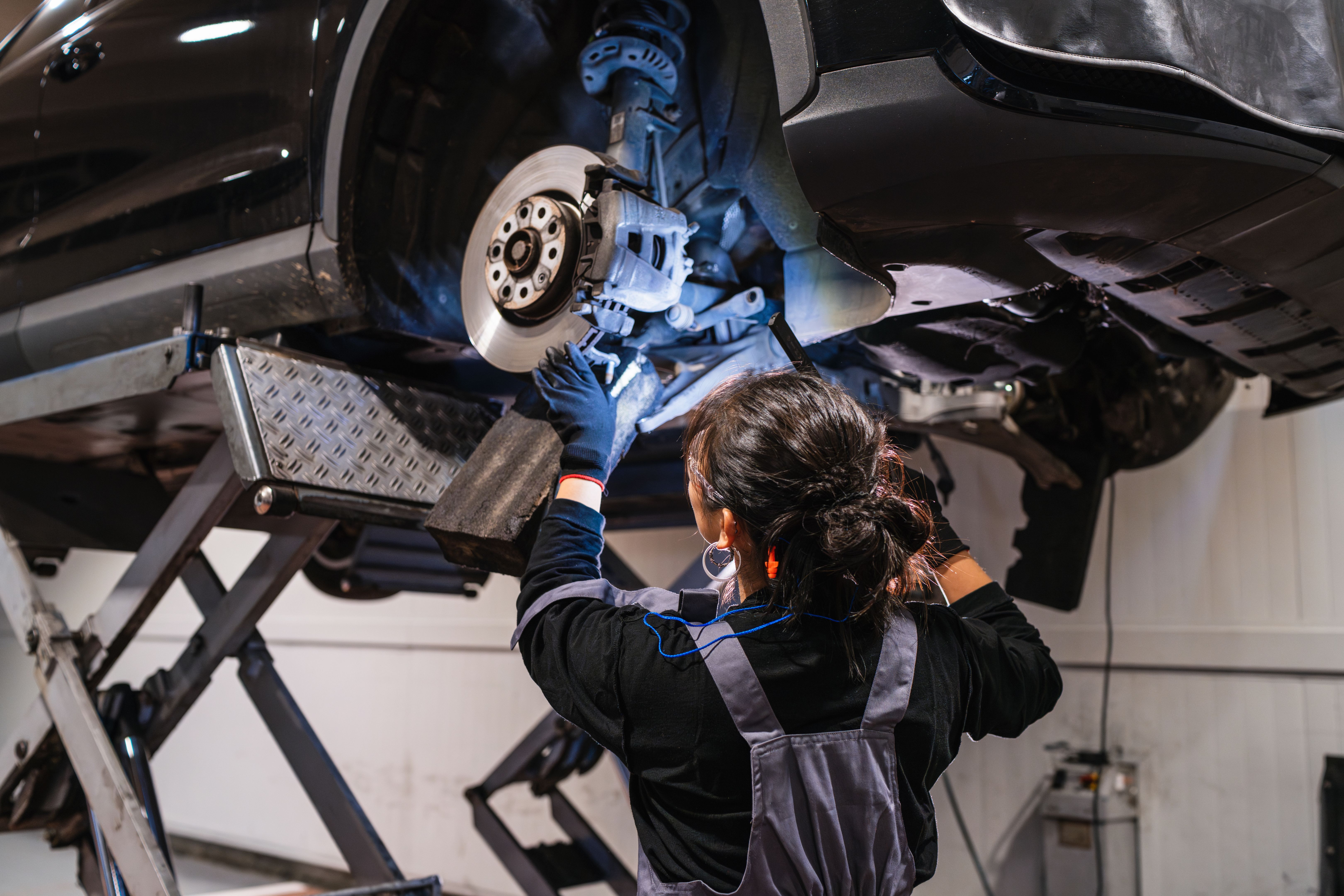
With the parts on hand, the repair process begins with disassembly. Technicians will remove damaged parts to access the underlying structure. During this phase, additional hidden damage may be uncovered, potentially requiring further insurance approval.
The repair phase involves restoring the vehicle's structure and functionality. This may include straightening the frame, replacing panels, and repairing or replacing mechanical components. Skilled technicians ensure that the vehicle meets safety standards and performs as it should.
Painting and Refinishing
Once structural and mechanical repairs are complete, the vehicle moves to the painting and refinishing stage. This involves meticulous preparation, including sanding and priming surfaces to ensure a flawless finish. The painting process matches the original color and finish, restoring the vehicle's aesthetic appeal.
After painting, a clear coat is applied to protect the paint and enhance the vehicle's appearance. This stage requires precision and expertise to achieve a seamless and glossy finish.
Reassembly and Quality Control
Following the painting process, the vehicle is reassembled. Technicians carefully reinstall all components, ensuring that everything fits and functions correctly. This includes checking electrical systems, lights, and other essential features.
Before the vehicle is returned to the owner, it undergoes a rigorous quality control inspection. This ensures that all repairs meet industry standards and that the vehicle is safe and roadworthy. Any necessary adjustments are made during this phase to guarantee customer satisfaction.
Final Delivery
Once the vehicle has passed the quality control inspection, it is ready for delivery. The repair shop will contact you to arrange a convenient pickup time. During the final walkthrough, technicians will explain the repairs performed and address any questions you may have.
Understanding the collision repair process can make a challenging situation more manageable. By knowing what to expect and staying informed, you can ensure that your vehicle receives the care it needs to return to the road safely and beautifully.